

RESEARCH FOCUS
Our lab aims to advance the understanding, prediction, and prevention of suicide. Our research is grounded in the theoretical orientation that suicidal thoughts and behaviors are dynamic, complex, and heterogeneous. Our lab has three specific lines of interest:

Describing the form and functions of suicidal thoughts and behaviors
Progress in understanding suicide has been slow, in part, because many of the fundamental properties of suicidal thoughts and behaviors have not been documented or described. Core questions we are interested in exploring include: How long do suicidal thoughts last? Why do suicidal thoughts persist over time? What do suicidal thoughts look and feel like?
We hope that better understanding fundamental properties of suicidal thoughts and behaviors may open new avenues to preventing suicidal suffering and death.
Example publications
Coppersmith, D. D. L, Ryan, O., Fortgang, R. G., Millner, A. J., Kleiman, E. M., & Nock, M. K. (2023). Mapping the timescale of suicidal thinking. Proceedings of the National Academy of Sciences, 120(17), e2215434120.
Coppersmith, D. D. L., Millgram, Y., Kleiman, E. M., Fortgang, R. G., Millner, A. J., Frumkin, M. R., Bentley, K. H., & Nock, M. K. (2023). Suicidal thinking as affect regulation. Journal of Psychopathology and Clinical Science, 132(4), 385–395.
Identifying dynamic risk and protective factors for suicidal thoughts and behaviors
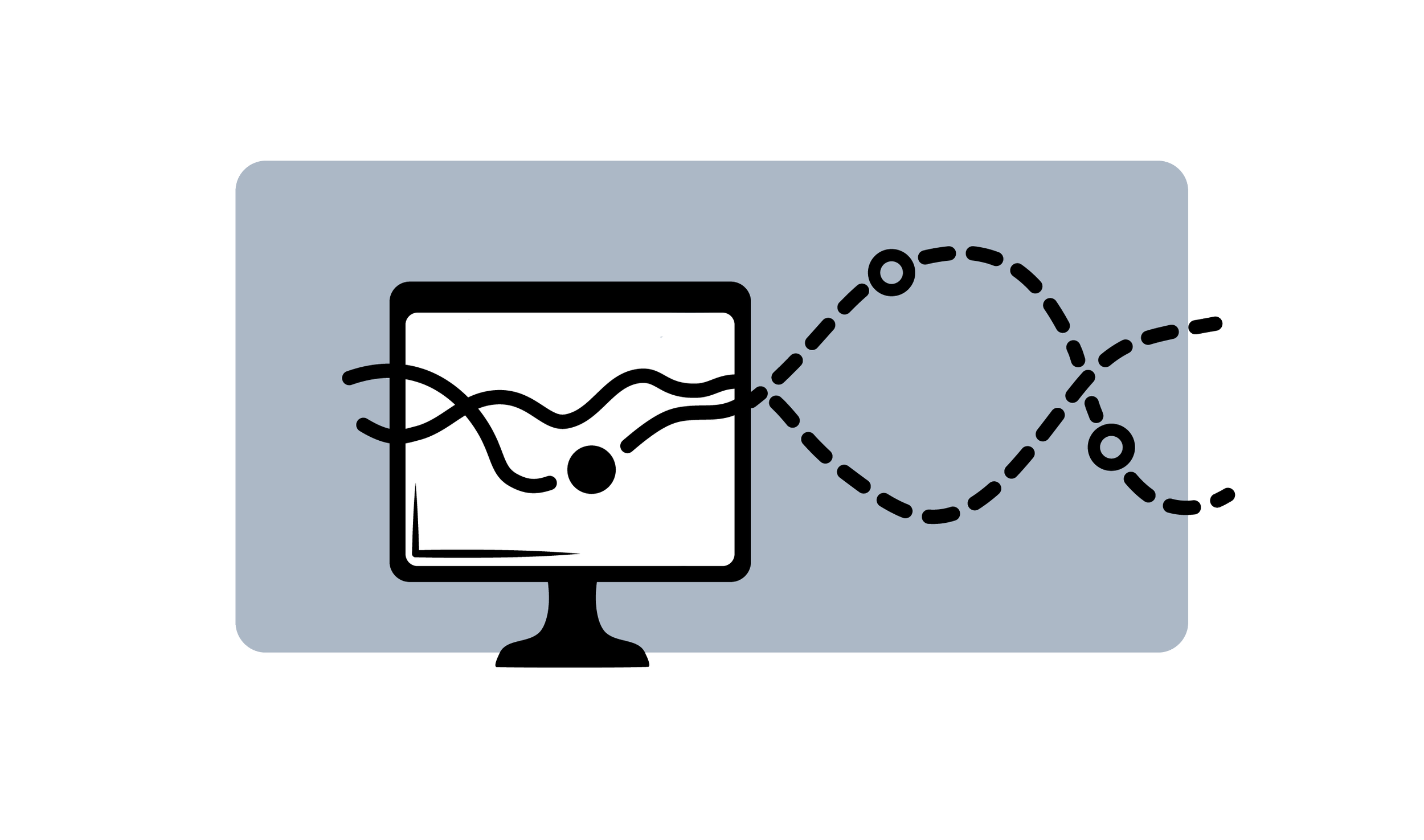
Emerging research suggests that suicide risk fluctuates over time. Our research seeks to identify the factors that cause these fluctuations, with a particular focus on affective and social processes. We use new technologies, such as smartphones and wearable biosensors, to capture and model risk and protective factors.
We strive to make the prediction of suicidal thoughts and behaviors more precise, personalized, and accurate.
Example publications
Coppersmith, D. D. L., Kleiman, E. M., Millner, A .J., Wang, S. B., Arizmendi, C., Bentley, K. H., DeMarco, D., Fortgang, R. G., Zuromski, K. L., Haim, A., Onnela, J. P., Bird, S. A., Smoller, J. W., Mair, P., Nock, M. K. (2024). Heterogeneity in suicide risk: Evidence from personalized dynamic models. Behaviour Research and Therapy, 180, 104574.
Coppersmith, D. D. L., Kleiman, E. M., Glenn, C. R., Millner, A. J., & Nock, M. K. (2019). The dynamics of social support among suicide attempters: A smartphone-based daily diary study. Behaviour Research and Therapy, 120, 103348.
Developing personalized and scalable interventions for suicidal thoughts and behaviors
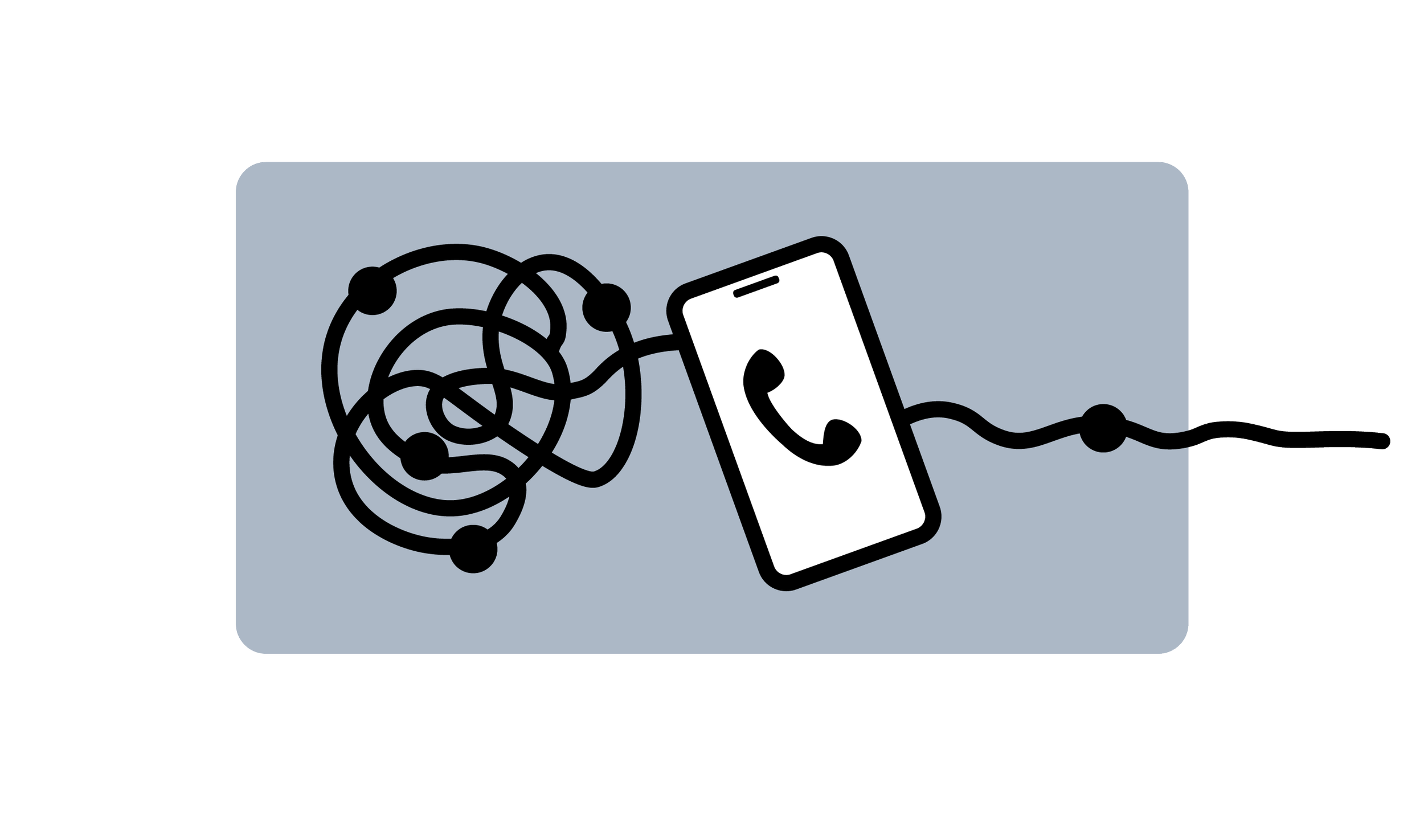
The ultimate goal of our work is to improve how we treat and prevent suicidal thoughts and behaviors. We are especially interested in digital interventions and Just-in-Time Adaptive Interventions (JITAIs), which are designed to provide the right type of support at the right time by adapting to changes in internal states and external context.
Worldwide, most people with suicidal thoughts and behaviors receive no treatment. We seek to develop and test evidence-based interventions to increase access and prevent suicide.
Example publications
Coppersmith, D. D. L., Bentley, K. H., Kleiman, E. M., Jaroszewski, A. C., Daniel, M., & Nock, M. K. (2024). Automated Real-Time Tool for Promoting Crisis Resource Use for Suicide Risk (ResourceBot): Development and Usability Study. JMIR Mental Health, 11, e58409.
Coppersmith, D. D. L., Dempsey, W., Kleiman, E. M., Bentley, K. H., Murphy, S. A., & Nock, M. K. (2022). Just- in-time adaptive interventions for suicide prevention: Promise, challenges, and future directions. Psychiatry, 85(4), 317-333.